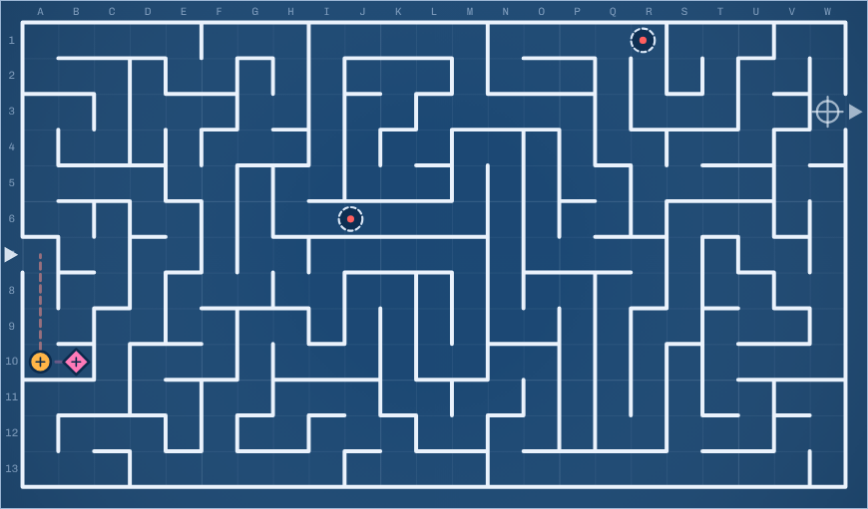
Maze Craze: A Game of Cops 'n Robbers was written by Richard Maurer, who also brought Space Invaders to the 2600. Two players race as cops through a maze the console builds fresh every game. The cartridge stacked on variations: robbers roaming the halls, mazes that go invisible, and blockades you could drop to slow your rival.
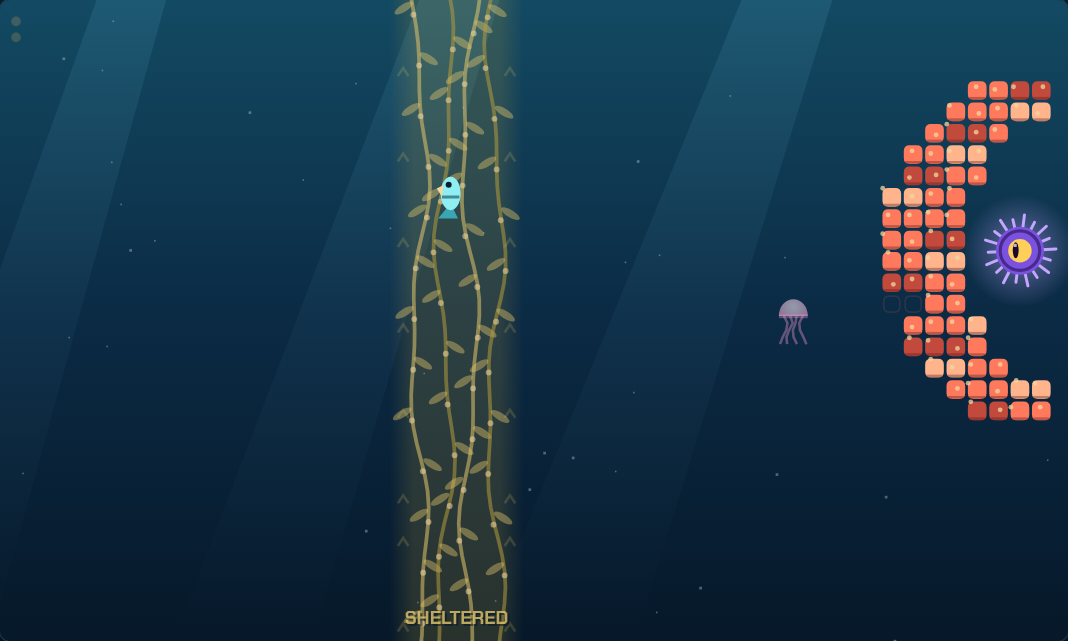
Yars' Revenge started life as a port of the arcade game Star Castle. Howard Scott Warshaw decided the 2600 couldn't do it justice and designed something new instead. The hero's name is Atari CEO Ray Kassar's first name spelled backward, and the shimmering neutral zone is the game's own program code drawn on screen. By Warshaw's account, it became Atari's best-selling original 2600 game.
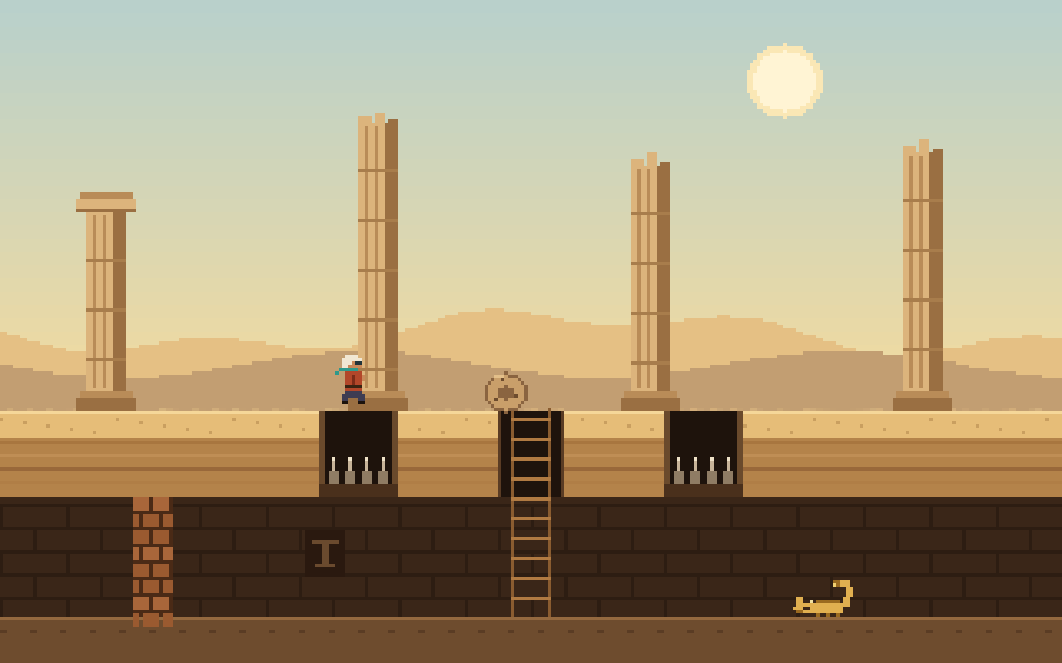
David Crane fit 255 jungle screens into a 4 KB cartridge by generating them from a number sequence instead of storing them. You get 20 minutes to find 32 treasures while dodging logs, crocodiles and tar pits. Pitfall! sold more than four million copies and topped Billboard's video game chart for 64 weeks.
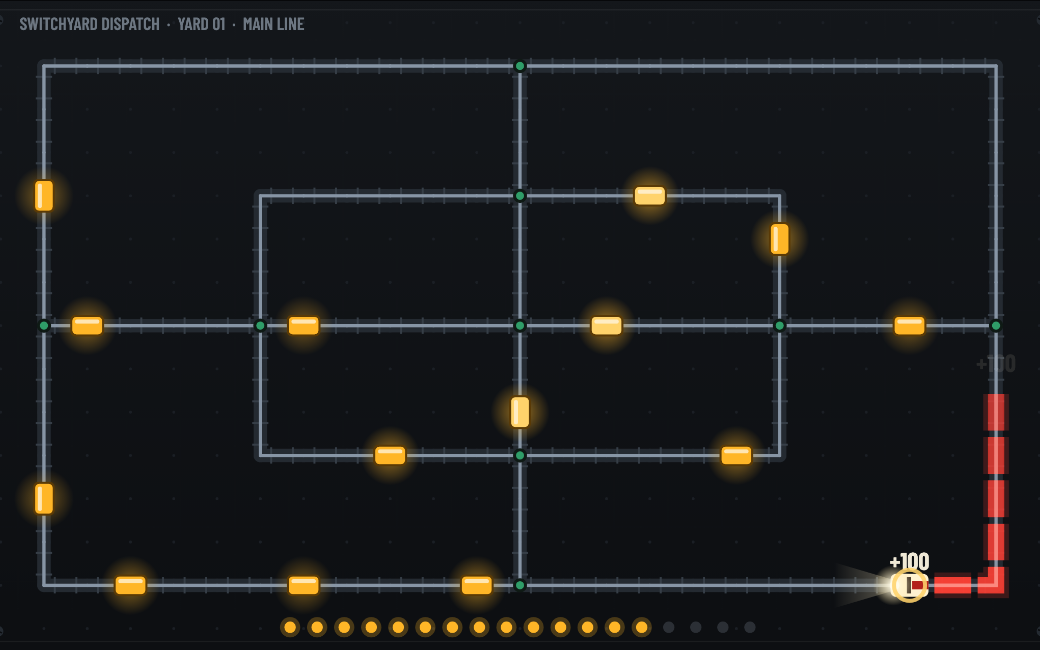
Nibbler was designed by Joseph Ulowetz and John Jaugilas and released by Rock-Ola in 1982. A snake eats its way around a maze, growing longer with every bite, and biting itself costs a life. It was the first video game with a nine-digit score, and in January 1984 Tim McVey played it for 44 hours over two days at the Twin Galaxies arcade in Ottumwa, Iowa, and passed a billion points.
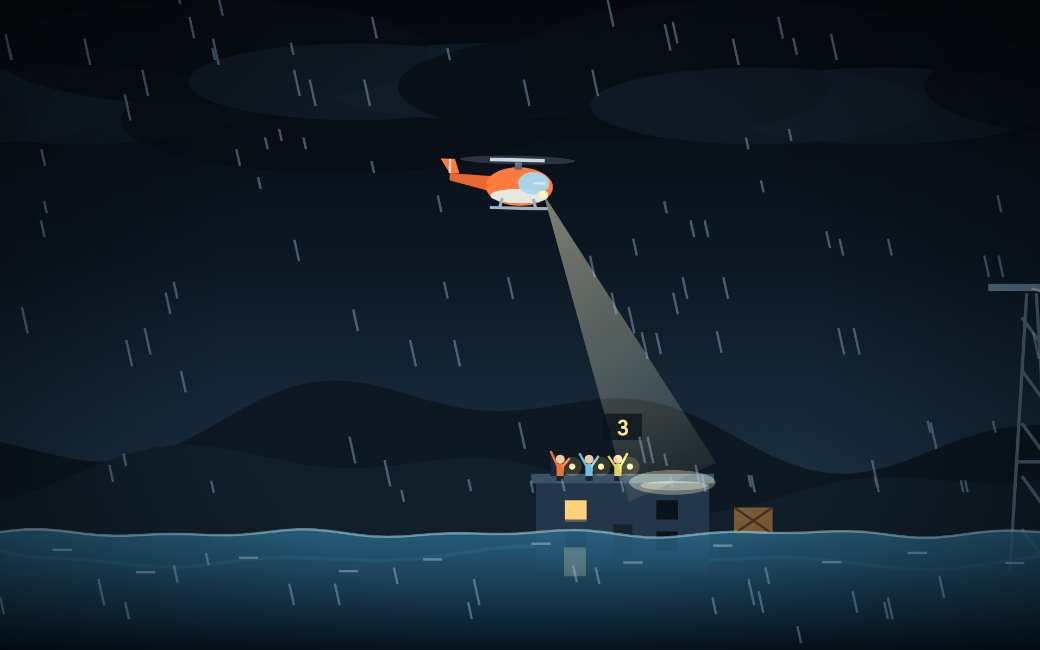
Dan Gorlin built Choplifter for the Apple II in about six months, and Brøderbund published it in 1982. You fly a helicopter behind enemy lines, shoot open the barracks, land so the hostages can climb aboard, and ferry them home 16 at a time while tanks and jets hunt you. Gorlin took the idea of protecting people on the ground from Defender, and Billboard named it its computer game of the year.
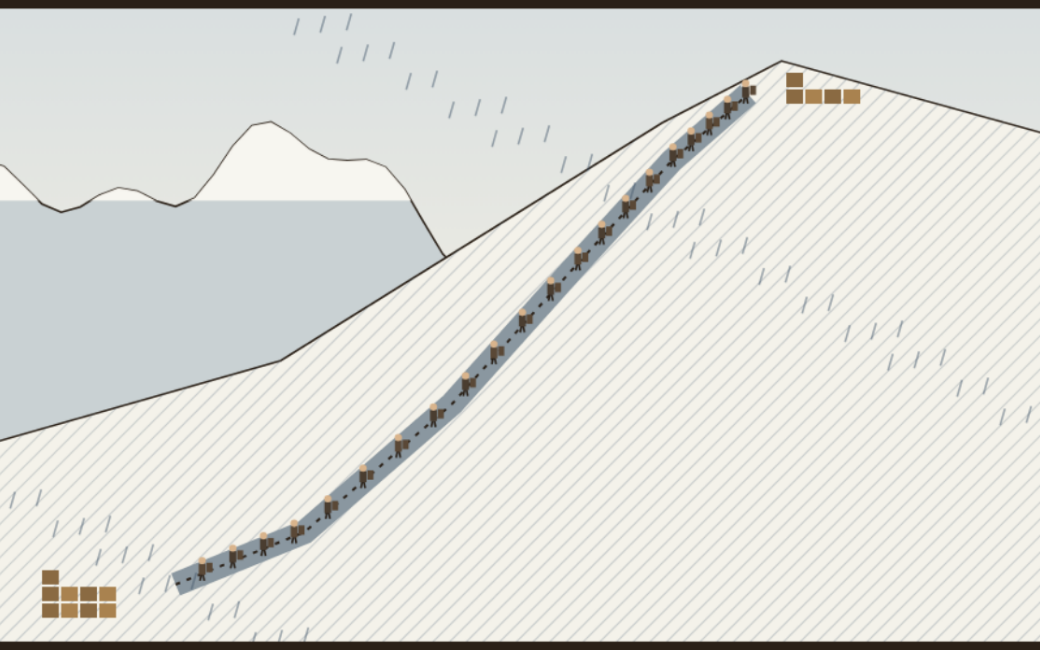
Three Carleton College student teachers, Don Rawitsch, Bill Heinemann and Paul Dillenberger, wrote The Oregon Trail in about two weeks in 1971 for Rawitsch's history class in Minneapolis, where students took turns on the school's one teletype. Rawitsch rebuilt it for MECC, which put it on Minnesota's school computer network in 1975 and released the graphical Apple II version in 1985. By 2011 the series had sold more than 65 million copies.
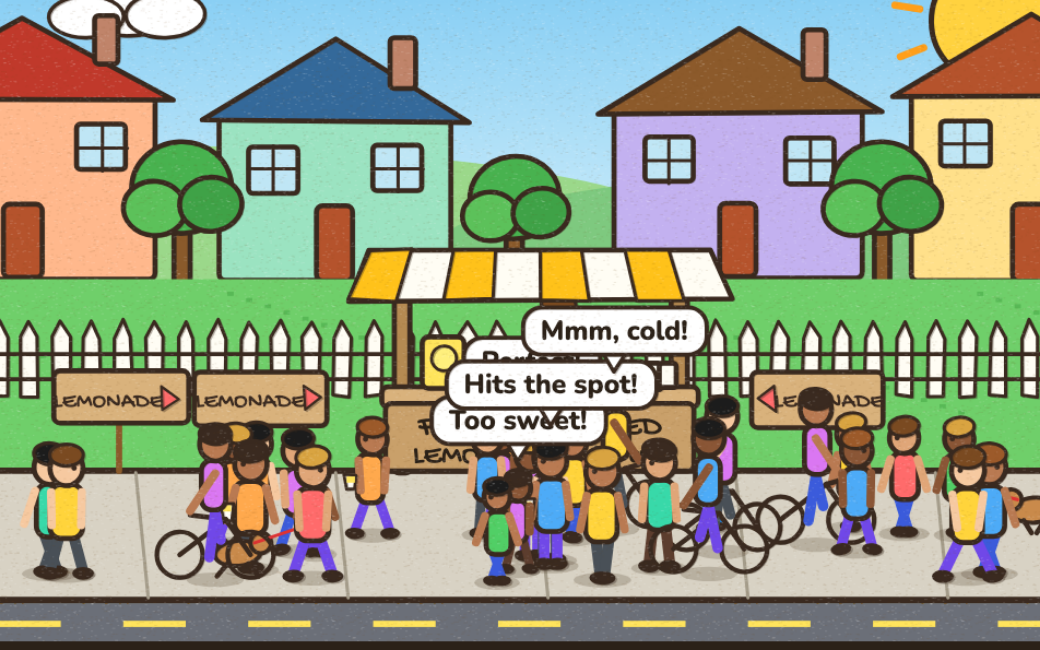
Bob Jamison wrote Lemonade Stand at MECC in 1973 for time-shared mainframe computers. Each morning you read the weather and decide how many glasses to make, how many signs to put up and what to charge, and a thunderstorm can wipe out the day's profit. Charlie Kellner's 1979 Apple II version came free with Apple's computers through the 1980s.
Lyle Rains asked Ed Logg, "Well, why don't we have a game where you shoot the rocks and blow them up?" Logg modeled the ship, its thrust, and its five buttons on Spacewar!, which he had played as a student at Berkeley, and argued for a vector monitor so players could aim precisely. Asteroids became Atari's best-selling arcade game, and demand ran so high that several hundred shipped in Lunar Lander cabinets.
Sinistar's villain doesn't exist when a level begins. Enemy workers build it piece by piece from the same crystals you mine to make bombs, and once its 20 pieces are in place it announces, "Beware, I live!" It takes 13 bombs to bring it down. Radio personality John Doremus gave it its voice, its roar was a stock recording of a gorilla, and Williams built a 49-way joystick just for the game.